


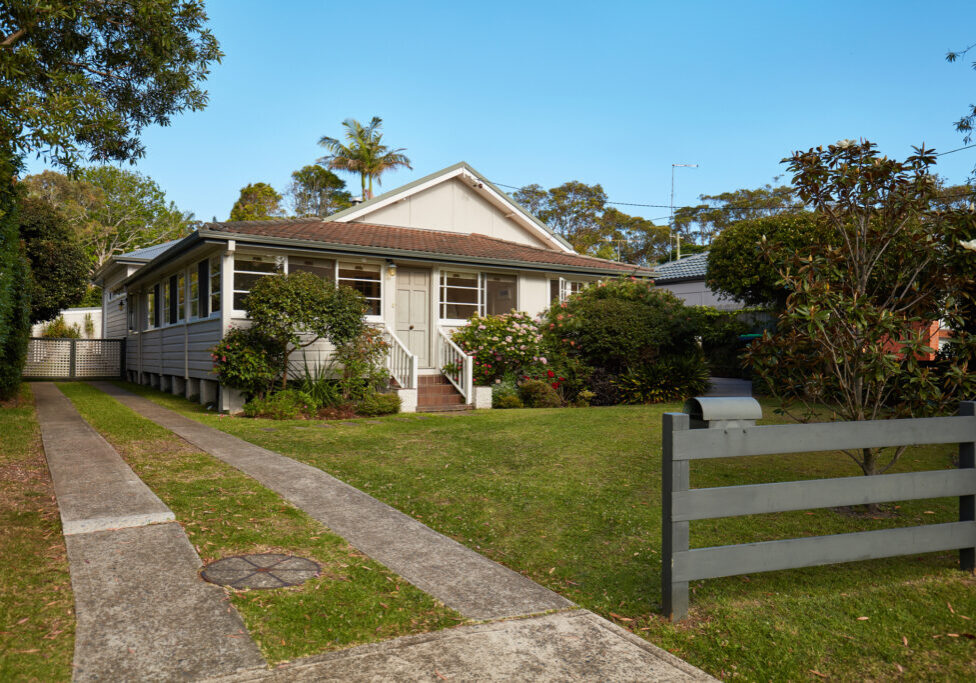

Because easements are so widespread, their presence alone is rarely an issue. The real risk arises when an easement is not identified early or is poorly understood. An easement can limit how part of your property may be used, restrict where buildings or structures can be placed, or give another party enforceable rights over your land. These limitations can affect renovation plans, future development potential, and in some cases, the value of your property.
At RS Law Group, we provide property law services to assist buyers in identifying and understanding easements and offer same-day contract reviews to help you assess risk and make informed decisions before you commit.
An Easement Limits the Use of A Property
An easement places limits on how part of your property can be used or accessed. The area affected by an easement must remain available for the purpose it was created to serve.
Certain activities may interfere with an easement and are not permitted. These can include constructing buildings or other permanent structures over an easement, altering ground levels, planting deep-rooted vegetation, or blocking access to an area to which another party is entitled. Even work that appears minor can cause issues if it prevents access for maintenance or damages infrastructure located within the easement.
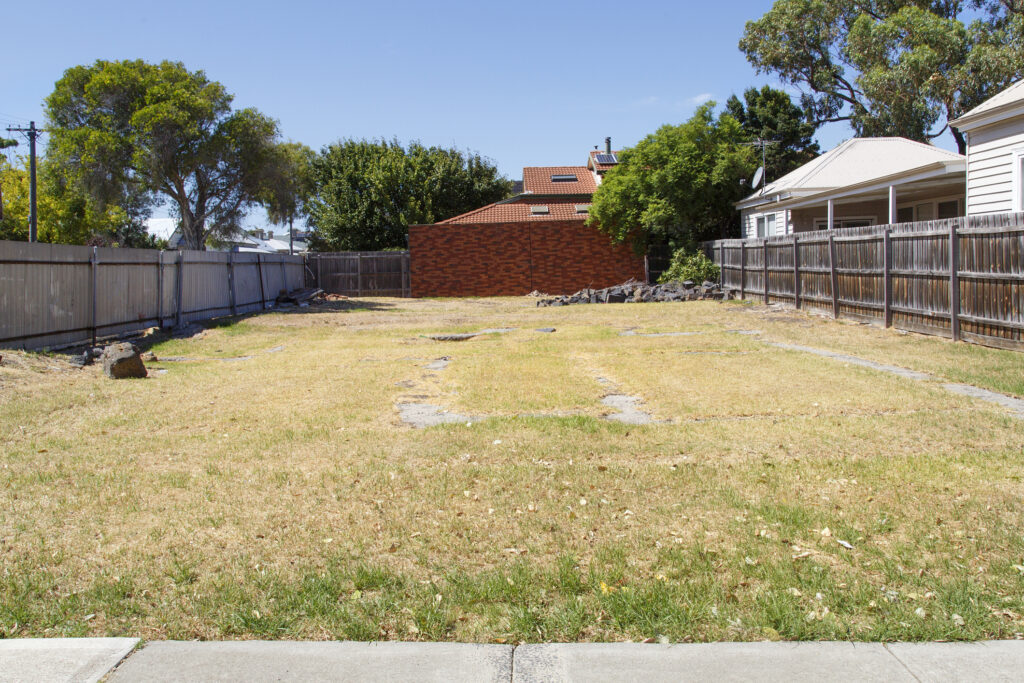
In practice, this often arises in familiar situations. A shared access easement may prevent you from fencing off part of a driveway or parking vehicles in a way that restricts access. A drainage or sewer easement that runs through your backyard could limit where you can build extensions, pools, or retaining walls. Utility easements for electricity, gas, or telecommunications may restrict excavation and require ongoing access for inspection or repair.
Who is Affected by a Property Easement?
An easement benefits one party by granting it rights over a parcel of land while imposing restrictions on how the affected land may be used. Easements continue to apply even when ownership of land changes.
The party benefiting from the easement is entitled to use the affected area only for the purpose set out in the easement terms. This may include access across the land or the right to install, inspect, maintain, or repair infrastructure. Councils and utility providers commonly hold easement rights, but neighbouring landowners may also benefit from access or support easements.

As the property owner, you must allow the easement to be used as intended and avoid actions that prevent or restrict that use. Responsibility for maintenance and repair depends on the wording of the easement. In many cases, the benefiting party is responsible for maintaining pipes, cables, or accessways, while you remain responsible for the surrounding land. Where the wording is unclear or outdated, disagreements can arise about responsibility for damage, access for repairs, or reinstatement after works.
Unlawful interference occurs when actions go beyond incidental impact and prevent the easement from being used as granted. Interference does not need to be deliberate to have legal consequences.
Common Easements Found on NSW Titles
When you review a property title in New South Wales, easements often appear as registered interests that grant defined rights over part of the land. While the wording can vary, several easements are commonly encountered on NSW property titles, including easements created or governed under the Conveyancing Act 1919 (NSW).
Rights of way and access easements are frequently used when a property lacks direct street access or when a driveway is shared. These easements allow access over part of your land to reach a road or access a property. You must keep the access area available for use and must not obstruct it, even though it forms part of your property.
Drainage and sewer easements are among the most common easements found on residential titles. These allow councils or water authorities to install and maintain underground pipes that carry stormwater or sewerage. Even when the infrastructure is not visible, these easements can restrict excavation, building, and landscaping, as access must be maintained for inspection and repair.
Utility easements support essential services such as electricity, gas, water, and telecommunications, including NBN infrastructure. These easements allow service providers to install and maintain cables, pipes, or equipment across private land. You may be required to allow access to the affected area and avoid works that could damage or interfere with the services.
Structural support and party wall easements are more common in attached dwellings, terraces, and older developments. These easements allow a building to rely on support from a neighbouring structure or shared wall. They can limit demolition, alterations, or excavation near boundary walls, as works may affect the stability of adjoining buildings.
Understanding the type of easement recorded on a title is important, as each carries different rights and restrictions. The impact on your property depends on the easement’s location, wording, and purpose, rather than its label alone.
How Easements Are Created
Easements are created through defined legal processes and are usually established where land use, access, or infrastructure need to be formalised.
Easements are often created during subdivision or development when land is divided into smaller lots. These easements are imposed as part of the planning and approval process and are registered before new titles are issued. Once registered, they bind all future owners of the affected land.
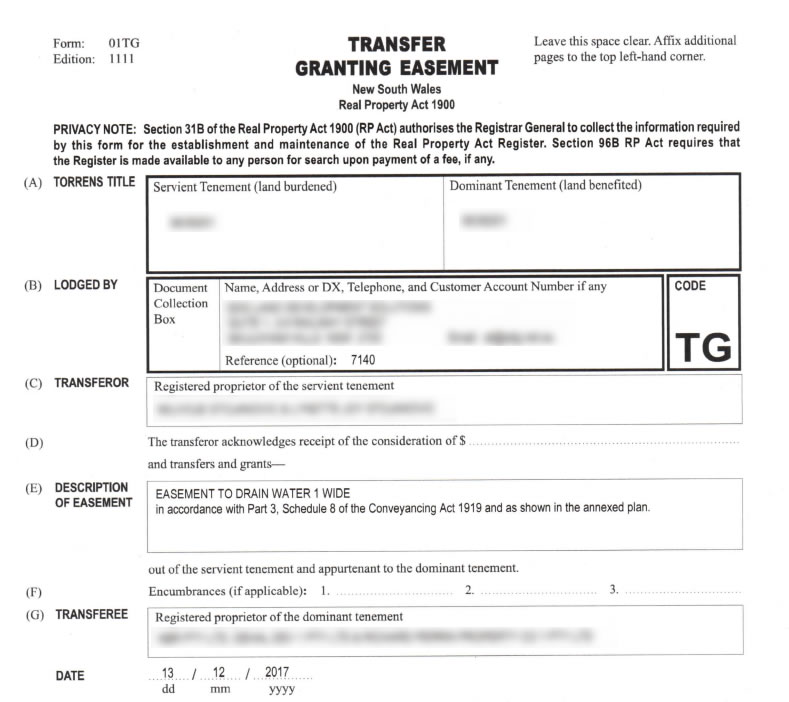
An easement to drain stormwater in a neighbour’s property is a common occurrence when developing land in NSW
Easements can also be created by agreement between landowners. These agreements must be documented correctly and registered on title. An informal understanding or verbal agreement does not create an easement.
Councils and utility providers can create easements to install and maintain public infrastructure such as drainage, sewer, electricity, gas, or telecommunications. In NSW, the Supreme Court has the power to impose an easement under s 88K of the Conveyancing Act 1919 (NSW) where land cannot be reasonably used without it, provided certain legal requirements are met. This can affect property owners who object to the easement but whose land is required to support access or services for another property.
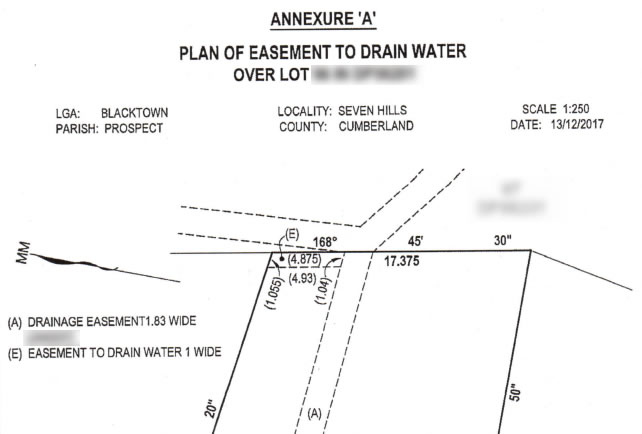
Regardless of how an easement is created, a registered plan is required. A surveyor prepares a plan of easement that identifies its location, dimensions, and relationship to property boundaries. This plan forms part of the legal record on how the easement operates in practice.
How Easements Appear on Title and Plans
Easements are recorded as registered interests on the Certificate of Title and are usually referenced by a short notation rather than a detailed explanation. These notations often include a description such as “right of carriageway” or “drainage easement,” together with a reference to a plan or dealing number. On their own, these brief entries do not explain how the easement operates or how it affects the land.
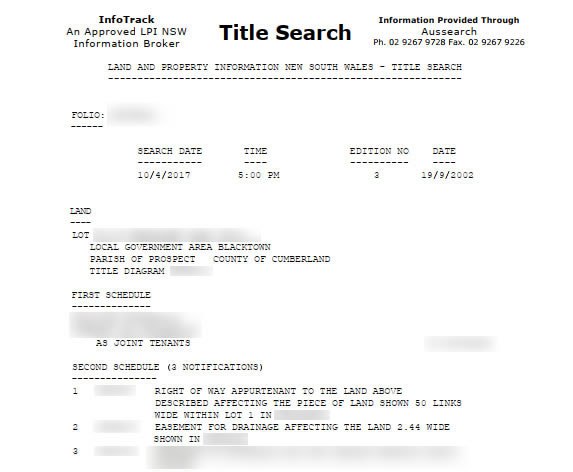
The details are in the deposited plan and the registered instrument referred to in the title. These documents set out the easement’s location, dimensions, and the rights granted to the benefiting party. They may also describe access requirements, maintenance obligations, and any applicable conditions.
The wording of the easement is more important than the label used to describe it. Two easements described in similar terms can operate very differently depending on how the rights are described. The wording determines who may use the easement, for what purpose, how often access may occur, and what activities are restricted. Assumptions based on the name of an easement can lead to misunderstandings, particularly when planning building works or responding to access requests. For this reason, easements should always be read in full and in context.
During the conveyancing process, easements are identified through title searches and supporting documents, and are raised during the contract review. A conveyancer reviews the deposited plans and registered instruments to understand how an easement operates and explains how it affects your use of the property. By highlighting easements early and explaining their practical impact, the team at RS Law Group helps you make informed decisions before you commit to a purchase or proceed with development.
Building, Renovating, and Developing Land with an Easement
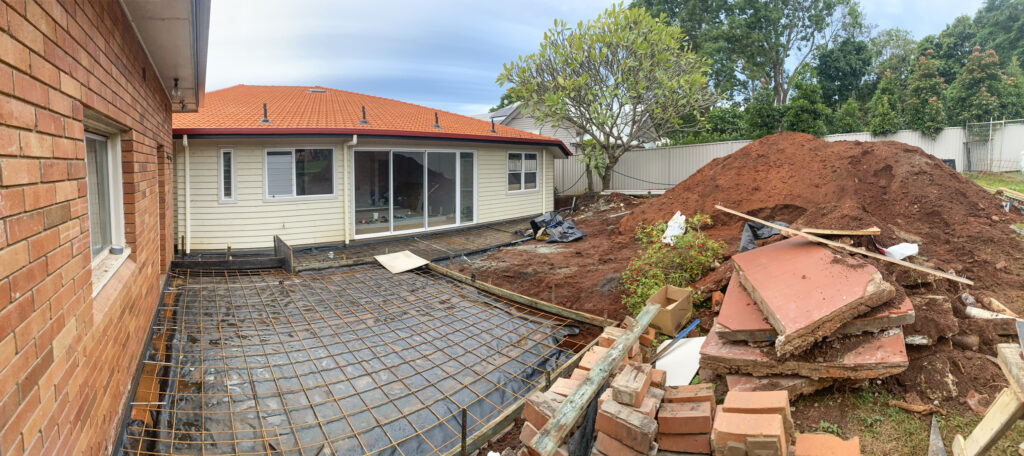
If you know your property is subject to an easement and you plan to build, renovate, or develop, the first step is to confirm exactly where the easement lies and what it permits. This means reviewing the deposited plan and the easement wording. The location and terms of the easement determine whether your proposed works are even capable of approval.
Once you understand the scope of the easement, the next step is to assess whether your proposed works will encroach on it or interfere with its use. This includes considering foundations, footings, drainage, excavation depth, and future access requirements. Even works that sit above ground can create issues if they prevent access for maintenance or place a load over underground services.
If your plans affect the easement area, you will usually need approval from the party that benefits from the easement, such as a council or utility provider. This approval process often runs separately from council development consent. Council approval on its own does not override easement rights, and works should not proceed until all required consents are in place.
Problems commonly arise when extensions, pools, or granny flats are designed without fully accounting for easement constraints, or when routine works, such as planting near or within an easement, later create access or service issues.
Can an Easement Be Changed or Removed?
An easement does not disappear simply because it has not been used, and it continues to apply unless it is formally removed or varied. Because an easement creates enforceable rights, it cannot be altered simply because it is inconvenient or no longer used in the way you expected. Any change depends on whether the easement’s purpose can still be met without affecting the benefiting party.
Variation or removal is most commonly possible where all affected parties agree. This may occur where access is no longer required, infrastructure has been relocated, or an easement has become redundant due to changes in land use. Even where agreement is reached, the change must be properly documented, surveyed, and registered to be legally effective.
Changing or removing an easement usually requires the consent of the party that benefits from it. Where consent is sought, compensation often becomes an issue. The party giving up easement rights may seek payment to reflect loss of access, increased costs, or changes to how their land is used. Compensation is not automatic, but it is commonly negotiated, particularly where the easement continues to provide an ongoing benefit.
Where agreement cannot be reached, changes may sometimes be sought through the courts, including applications for court-ordered easements under Section 88K of the Conveyancing Act 1919 (NSW). In NSW, the Supreme Court has the power to vary or extinguish an easement in limited circumstances, including where it is no longer reasonably necessary. Court applications can be complex and fact-specific, and outcomes are not guaranteed.
Easement Disputes Between Neighbours
Disputes between neighbours often arise where the use of an easement becomes contentious. A common issue is blocking access or otherwise interfering with the use of an easement, whether deliberately or through everyday activities. This can include parking vehicles in an accessway, installing gates or fencing, or carrying out work that restricts movement or prevents the easement from being used as intended.

Maintenance and repair responsibilities are another frequent source of disagreement. When an easement involves a shared driveway, drainage infrastructure, or underground services, disputes can arise over who is responsible for repairs, ongoing maintenance, or the cost of repairing damage. These issues are often complicated by unclear or outdated easement wording, particularly where infrastructure has aged or land use has changed over time.
Development-related disputes may arise when one neighbour plans building works near or within an easement. Excavation, construction, or changes to ground levels can affect access, drainage, or structural support. Even approved works can trigger disputes if they interfere with easement rights or create safety or access concerns.
When to Get Legal Advice
If you are buying a property, legal advice during the conveyancing process can help you understand how an easement affects the land and whether it aligns with your plans for using or developing the property. This allows potential issues to be identified before you commit, rather than after they become difficult to change.
Legal advice is also important before you outlay money on designs, reports, or construction planning. Easements can affect design options, approval pathways, and construction methods in ways that are not always obvious at the outset. Clarifying how an easement operates early can help avoid redesigns, delays, or wasted costs once plans are underway.
When issues or disputes arise, early advice can help you understand your rights and obligations before the situation escalates. Whether the issue involves access, maintenance, or proposed works, timely guidance can help resolve matters more efficiently and reduce the risk of formal proceedings or enforced changes to completed work.
Seeking advice early helps manage easement issues and can protect both your plans for the property and your position if disagreements arise.
Need Help With a Property Easement in NSW? RS Law Group Can Help
Easements are a normal part of property ownership in New South Wales, but they can cause real issues if not identified and understood early. Whether you are buying, building, or dealing with an existing easement, the impact of an easement often depends on timing. Problems tend to arise when easements are discovered too late, after contracts are signed, designs are finalised, or disputes have already developed.
Getting advice early allows you to understand how an easement affects your property, what you can and cannot do, and what steps may be required before you move forward. This can help you avoid unexpected restrictions, reduce the risk of disputes with neighbours or authorities, and make informed decisions about your property with confidence.
As an experienced Sydney property lawyer, RS Law Group assists buyers and property owners across NSW with easement-related issues, from contract reviews and title investigations through to development advice and dispute resolution.