



Requisitions on title are formal questions raised by the purchaser’s solicitor or conveyancer to the vendor, seeking clarification or resolution of issues related to the property’s title. They ensure the buyer receives a clear and unencumbered title, free from defects, undisclosed interests, or legal complications that could affect ownership or future use.
Purchasers can raise requisitions regarding the title as part of the conveyancing process. Vendors must respond accurately to matters that could impact ownership or future use. At RS Law Group, we ensure that all requisitions on title are handled correctly, in addition to a range of other property law services.
The contract of sale might not disclose all information about the title
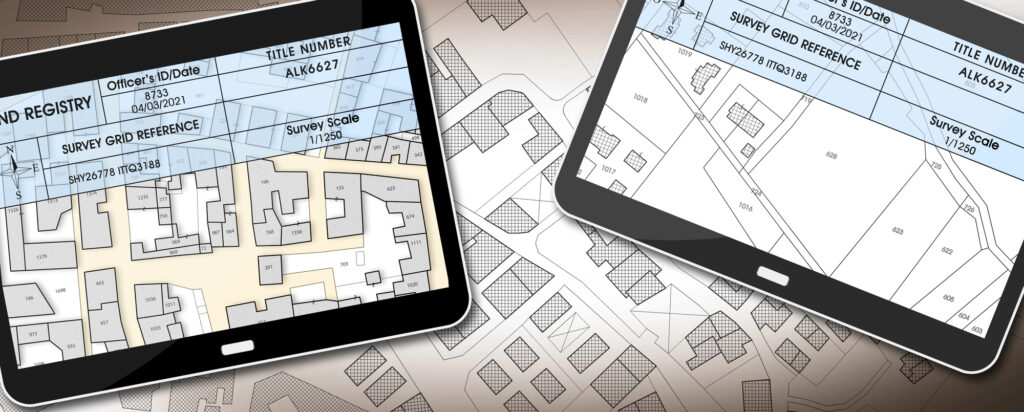
A contract to buy a property in New South Wales typically includes several disclosures required under the Conveyancing (Sale of Land) Regulation 2022. These include the title deed, which confirms ownership and registered interests such as mortgages, easements, and covenants.
Despite these inclusions, a purchaser may still need to raise requisitions on title to clarify or address matters that are not fully explained in the contract or to resolve issues identified during due diligence. This process ensures that discrepancies or risks are properly examined before settlement.
Types of requisitions on title in NSW
Requisitions on title generally fall into two broad categories: general requisitions and specific requisitions.
General requisitions cover standard queries that apply to most property transactions, such as confirming the removal of existing mortgages before settlement, ensuring proper access to public roads, and verifying that all rates and taxes have been paid. These requisitions help reassure the purchaser that the property is legally and financially ready for transfer.
Specific requisitions address issues identified during the title search or contract review. For example, if a title search reveals an easement on the property, a requisition can clarify who benefits from it, whether it restricts development, and who is responsible for maintenance.
A requisition as to property can also be used to clarify potential boundary disputes or request a formal survey if a property has a limited title, meaning its boundaries have not been fully defined by a survey.
Requisitions may also cover broader issues, such as outstanding rates, zoning restrictions, and any existing legal disputes that could impact ownership. For example, if a neighbouring property owner has raised concerns about boundary fences or maintenance responsibilities, a requisition can clarify any ongoing disputes before settlement.
Requisitions on title can also be classified into four key types: requisitions on title, requisitions as to property, requisitions as to general inquiries, and requisitions as to reminders.
Requisitions on title
Requisitions on Title deal with legal ownership and any encumbrances or defects that could affect the purchaser’s rights. They ensure that the vendor has the legal right to sell the property and that mortgages or caveats will be removed before settlement.
Requisitions as to property
Requisitions as to property focus on the physical aspects of the land or structures, including confirming boundary accuracy, ensuring compliance with building approvals, and verifying access to essential services.
Requisitions as to general enquiries
Requisitions as to general enquiries cover broader issues, such as outstanding rates, zoning restrictions, and any existing legal disputes that could impact ownership.
Requisitions as to reminders
Requisitions as to reminders serve as procedural notices, ensuring that settlement processes, such as mortgage discharges and document lodgments, are completed on time.

Why are requisitions important?
Requisitions on title provide the purchaser with a legal safeguard, ensuring they receive clear and complete information about the property before settlement.
The purchaser may have legal recourse if a vendor provides false or misleading information. Under the Conveyancing Act 1919 (NSW) and protections provided by Australian Consumer Law, vendors are prohibited from making false or deceptive claims about a property. Depending on the severity of the misrepresentation, this could include rescinding the contract, seeking compensation, or taking legal action for misrepresentation. By addressing these concerns early, buyers can proceed with greater confidence, knowing that they are making an informed decision and that their legal rights are protected.
When are requisitions on title raised?
Requisitions on title are usually raised after contracts are exchanged but before settlement. Once the purchaser’s solicitor or conveyancer reviews the contract and conducts a thorough title search, they will identify any concerns that require clarification. These requisitions must be submitted within the contract’s specified timeframe, typically a few weeks after the exchange.
Raising requisitions early allows sufficient time for the vendor to respond and for any necessary resolutions to be made before settlement. If significant issues arise that cannot be resolved, the purchaser may have options to renegotiate, delay settlement, or even rescind the contract, depending on the nature of the issue.
Does a vendor have to respond to a requisition on title?
Vendors are generally required to respond to requisitions on title for matters affecting the property’s title. However, they are not obligated to answer inquiries outside the scope, such as questions regarding the property’s physical condition. For example, concerns about structural defects are typically addressed through a building inspection report rather than a requisition on title.
A vendor may choose not to respond to a particular requisition in some cases, especially if they believe the inquiry falls beyond the requirements of title-related matters. However, refusing to respond to a valid requisition may give the purchaser grounds to withdraw from the contract. To avoid this outcome, the vendor can request the purchaser to withdraw the requisition. If the purchaser agrees to withdraw the request, the sale can proceed without the need for the vendor to provide the information. This approach helps maintain the transaction while respecting both parties’ rights and obligations under the contract.
By giving the purchaser the opportunity to withdraw the requisition, the vendor demonstrates good faith in maintaining the sale while protecting their legal position. If the purchaser insists on pursuing the requisition and the vendor still refuses to respond, the purchaser may ultimately have the right to terminate the contract, depending on the circumstances and the nature of the requisition.
What if deficiencies in the title are found?
If a deficiency in the vendor’s title is discovered after the contract is signed, it can significantly impact the sale. Under Section 55 of the Conveyancing Act 1919 (NSW), a purchaser may be entitled to recover their deposit and any instalments paid if the defect in title is substantial enough.
If the defect was known or should have been known by the vendor at the time of the contract, the purchaser may also recover the expenses related to investigating the title. This can include legal fees and other costs incurred in determining the extent of the title deficiency.
The court also has the discretion to order the return of the deposit, with or without interest. If the purchaser seeks to recover their deposit and any instalments paid, the court may declare and enforce a lien over the property, ensuring that the purchaser is compensated before the vendor can transfer the property to another buyer.

Can vendors be held responsible for inaccurate responses?
Vendors can be legally responsible for providing false or misleading information in response to a requisition on title. Under Section 183 of the Conveyancing Act 1919 (NSW), vendors may face civil or criminal penalties if they knowingly conceal relevant information or intentionally misrepresent material facts.
Criminal penalties generally require intent or recklessness, meaning that honest mistakes without intent to mislead are unlikely to result in criminal charges. However, under Australian Consumer Law (ACL), vendors can still face civil liability for unknowingly providing incorrect or misleading information if it results in financial loss or impacts the purchaser’s decision to proceed with the transaction.
If a vendor provides inaccurate details—whether knowingly or not—about encumbrances, easements, or legal disputes, the purchaser may have the right to rescind the contract, claim compensation, or pursue legal action under misleading or deceptive conduct provisions.
Buying a property? Choose a conveyancer who asks the important questions.
Whether you are a purchaser or a seller, understanding the role of requisitions on title is crucial to ensuring a smooth property transaction. For purchasers, requisitions provide a legal safeguard, helping to uncover potential issues with the property’s title, such as encumbrances, easements, or boundary disputes, before settlement. They offer peace of mind, ensuring the purchaser receives clear and complete ownership without hidden complications affecting future use or value.
For sellers, responding accurately and promptly to requisitions is equally important. It helps facilitate a smooth sale and ensures compliance with legal obligations, reducing the risk of disputes or claims of misrepresentation..
Whether you are buying or selling, legal guidance is essential. An experienced Sydney conveyancer can help navigate the complexities of requisitions on title, ensuring that all legal obligations are met and your interests are fully protected.
At RS Law Group, our property law experts are committed to providing comprehensive support throughout the conveyancing process. We help purchasers make informed decisions and assist sellers in fulfilling their legal duties, ensuring a seamless and legally sound property transaction.
If you’re navigating the property market and need trusted legal advice, contact RS Law Group today.